The most useful question to ask of a Ligue 1 side this season is when it chooses to spring its trap. Possession share, formation and even pressing height matter less. Every serious team in the division can press, and most can drop into a tidy 4-4-2 when the press fails. The sides that pull away are the ones whose players read the same cue at the same moment, win the second ball that follows, and turn it into a chance before the opponent's shape recovers.
That view shapes everything below. Heading into 2026-27, the league splits between aggressive teams that hunt on vertical triggers and mid-block teams that hold the central corridor and spring counters through the half-spaces. Both camps lean heavily on set pieces when open play closes up, and both depend on a midfield that can absorb pressure without losing its structure.
High Press Triggers and Trap Lines
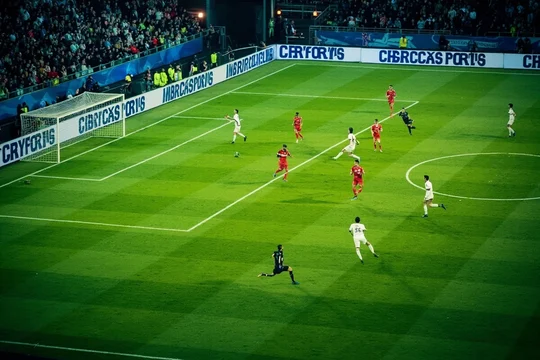
A Ligue 1 high press starts with a cue. Pressing sides wait for a centre-back receiving with his back to goal, a full-back isolated on the touchline, a goalkeeper rolling the ball into traffic, or a midfielder turning blind into pressure. The nearest attacker jumps, the second presser closes the obvious lane and the rest of the line slides across to seal the trap. A well-drilled press shrinks the field into a band of about 30 metres where the only passes left go backward or sideways, and each of those passes becomes the cue for the next jump.
Trap lines run along the touchline when a side wants to funnel play, and along halfway when it wants to bait a long ball. Mid-table teams usually pick one. The better-organised teams use both and make the opponent choose which risk to take.
The title contenders push this further. Their back lines sit within about 20 metres of halfway, which gives them a head start on second balls and squeezes the central channels. The cost is a footrace behind the line whenever a diagonal lands in the channel. They accept it because a deeper block gives away the half-spaces and the area between the lines, where most goal threats begin, and that acceptance is the clearest marker of a side with title intent.
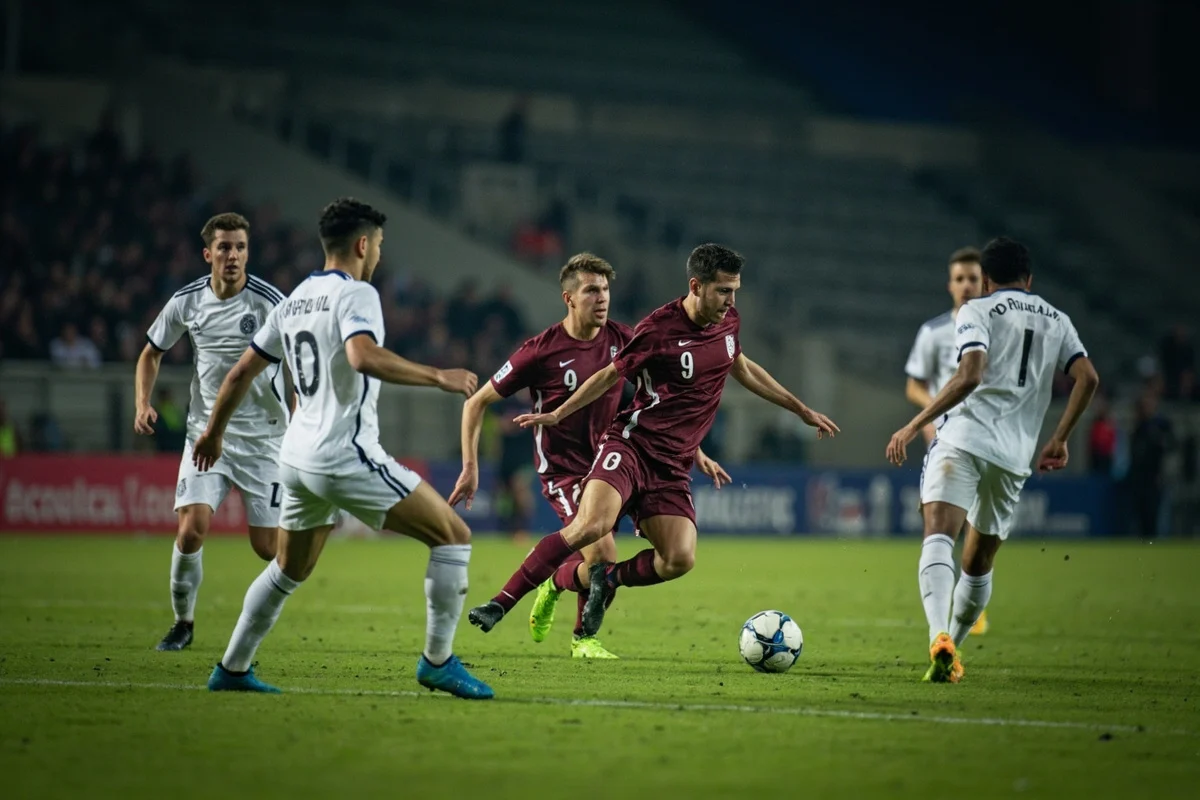
A clean trigger delivers the ball in a zone where the opponent's shape has already cracked. The nearest two teammates are already facing goal and moving forward, which is why pressing sides in Ligue 1 generate more shots than their possession share would predict. Counter-pressing is the safety net. The player who lost the ball has about two seconds to win it back or foul, and the two closest teammates form a triangle that funnels the opponent back into pressure. When the press is beaten cleanly, usually by a long diagonal or a quick combination through the middle, the same shape has to drop into a mid-block within five seconds, and the trap line becomes the recovery line.
Midfield Control Against Deep Blocks
Against a deep block, the best pressing traps narrow the options instead of sprinting at the ball. The midfield line screens central passes while the full-backs press the touchline, turning the pitch into a corridor where the visiting side can only go sideways or back. The trigger is often the first poor touch after a switch. When it comes, the nearest midfielder steps in and the six shifts across to cover the cut-back lane. Nobody needs to chase, because a compact midfield keeps recovery runs short and predictable.
Getting the height wrong ruins it. Set the midfield line too high and the space behind becomes a through-ball corridor. Set it too low and the block never feels pressure and resets in comfort. In a league where many teams defend with five or six in a line and counter through the half-spaces, the difference between a trapped possession and an open transition is often one diagonal step by the pivot.
In possession, the strongest midfields split their duties. One player screens the back line and recycles, the other pushes into the half-spaces to receive between the lines. Some coaches keep one runner high to occupy two centre-backs while the other drops short to form a 3-2, and let the full-backs overlap only after the ball has been switched to the weak side, so the opponent has to shift across before it can compress. A captain who receives with his back to goal, draws a second presser and releases into the half-space does more for that rhythm than any long ball. Wide centre-backs also carry more of the ball now, stepping into midfield to create a 3v2 against the first pressing line. Compact blocks punish the side that circulates slowly and struggle against one that moves the ball before the block can shift.
Mid-Block Shape and Counter Lanes
Sides that sit in a mid-block usually arrange in a 4-4-2 or 4-1-4-1, with the double pivot screening central access and the wingers pinning the opposition full-backs. Opponents get funnelled toward the touchline, where a winger, full-back and nearby central midfielder form a 3v2 trap. The centre-backs hold a high line within the block to remove the pocket behind the midfield, and when the press breaks, the deepest midfielder drops into the back line.
Counter lanes run through the half-spaces and the wide channels vacated by the opponent's full-backs. A striker who can hold the ball and lay it off to a breaking eight lets the counter skip the crowded centre, while the far-side winger sprints diagonally into the space the defending winger left. The most dangerous counters come from second-phase recoveries, when a central midfielder steals the ball in the half-space and drives at goal, dragging the recovering centre-backs and opening the diagonal for a runner from deep. If the opponent sits too narrow, a switch to the free full-back resets the attack against a disorganised back line.
Against direct rivals, the contenders often choose this posture themselves. They accept less territory in exchange for the central corridor and set counter-pressing traps on a back-footed pass from centre-back to full-back or a square ball into midfield. When the trap works, the counter begins against a defence still in its attacking shape. When it fails, two or three players are already ahead of the ball and the lane back to goal is open. Deciding when to spring it, more than whether to defend deep, is the defining tactical choice in these matches.
Transition Patterns After Ball Wins
French top-flight teams diverge sharply in what they do with a regain. Some go vertical, with a single forward pass into the channel for a wide attacker running before the line resets. Others counter-press the second ball first. A third group pulls the ball back to a central midfielder and waits for runners. Where the ball is won decides which option works. Regains in the opponent's half often produce direct shots or cut-backs, while wins in the middle third force a reset, with full-backs pushing high and the double pivot rotating to offer two angles.
When the first forward option closes, the sides that create consistent chances use a third-man combination. The receiver lays the ball off to a supporting midfielder, who releases a runner behind the recovering centre-backs. The half-space between centre-back and full-back is the most exploited zone, because pressing schemes often leave it short of bodies during transitions. Wide players who attack the back shoulder of the last defender, instead of checking to feet, give goalkeepers less time to set. Teams that press in a 4-3-3 tend to win the ball with numbers around it, while 4-4-2 mid-blocks cover more ground after a regain and lean on diagonal switches to an isolated far-side winger.
Chance Creation Through the Middle Third
Chance creation in Ligue 1 increasingly works through the central corridor. Coaches ask their eights and tens to receive between the lines, often with a winger tucked inside to form a front four, which forces defenders to choose between stepping out and holding the line. The wrong choice usually leads to a shot. The half-space sees more traffic than the touchline in most build-ups. A pivot dropping between the centre-backs stretches the first line, an attacking midfielder pushes into the box, and a runner from deep arrives in the gap.
Width still matters once the ball reaches the final third. A recurring pattern puts the winger on the opposing full-back while the near-side eight pushes up, making a 3v2 against the full-back and the nearest centre-back. The first option is a cut-back to the penalty spot for a trailing midfielder, and the second is a switch to an overlapping full-back arriving at the back post. Teams that vary the point of attack outperform teams that default to early crosses, and one runner drifting offside too early can kill the whole sequence.
Set Pieces and Aerial Zones
Set pieces account for a disproportionate share of Ligue 1 goals, and the tactical climate explains it. Organised pressing keeps the middle third dense, which pushes attacking value toward dead balls. Coaches design routines around aerial mismatches, such as a tall centre-back isolated on a smaller winger at the near post or a midfielder arriving late at the back post. Defensively the league leans toward zonal blocks, partly because man-marking schemes break down when the same players spend long spells pressing high and sprinting back. Zonal systems give clearer rest-defence duties and second-ball assignments, which feeds the press, since winning the clearance lets the first line re-engage at once. Throw-ins in the final third now get routines of their own that mirror corners.
Set-piece discipline starts well away from the box. A midfield that controls where fouls happen, and how quickly it recovers shape after a stoppage, faces fewer uncontested crosses. Retreat too early to the edge of the area and the second ball is lost. Press too high and a quick routine with a diagonal switch splits the block.
In open play, goalkeepers and deep centre-backs aim long distribution into the channels behind a pressing line, where a target forward can bring the ball down or occupy two pressers. Visiting sides lean on this most, since long spells without the ball make ground-based progression hard. Winning the first duel buys territory, and losing it hands the pressing team a back line that has not set.
Late-Game Management
By the 70th minute, a team in front usually wants to protect the score. The midfield tightens, the deepest pivot screens the centre-backs, and wide runners are recalled to block crosses. Five substitutions let coaches swap a false nine for a target forward, bring on a fresh central midfielder for a tiring forward to add legs for second balls, or add a second ball-winner to the spine. The front line presses selectively on back-foot passes to the centre-backs, tactical fouls stop counters on the flanks, and goalkeepers take their time over restarts. Pressing triggers change too, with some sides conceding possession in their own half but jumping on a touchline throw-in or a poor first touch. The clubs that combine these habits with set-piece efficiency usually control the run-in, whatever their open-play numbers say.