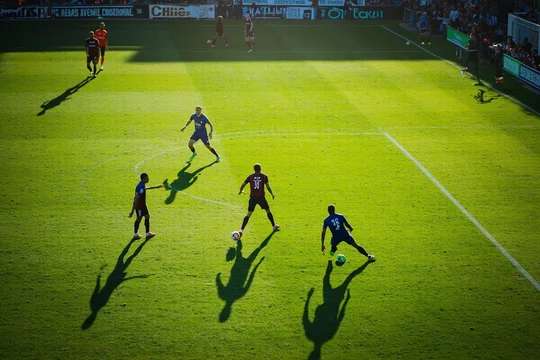
While modern football increasingly emphasizes relentless pressing and raw athletic dynamism, Italian tactical architecture maintains a distinct environment where cerebral understanding often supersedes pure physical capacity. Within Serie A, the structural organization of matches prioritizes spatial mastery over sheer foot speed, shifting the balance of play toward geometric discipline and collective positioning. Defensive rigor in this framework demands sophisticated anticipation rather than reactive recovery pace, as backlines and midfield blocks operate in coordinated units designed to deny space before danger materializes. For experienced professionals, this environment values the ability to diagnose phases of play seconds ahead of execution, transforming positional awareness into a decisive tactical advantage.
This strategic foundation also creates a controlled game tempo that naturally promotes energy preservation throughout a match. By favoring calculated ball circulation and compact defensive shapes over chaotic, end-to-end transitions, tactical systems allow seasoned players to economize their physical output and exert influence during critical moments. Furthermore, tactical setups frequently feature specialized roles, such as deep-lying playmakers, anchored central defenders, and reference-point center-forwards, tailored to maximize veteran decision-making and situational judgment. Consequently, the Italian top flight operates as a sophisticated proving ground where technical economy, intellectual maturity, and tactical literacy carry far more weight than unrefined physical exertion.
Spatial Mastery Over Pure Physical Pace
The structural rigidity of Italian tactical setups alters how space is contested on the pitch. While transitions in leagues defined by aggressive, high-tempo pressing often turn into open footraces, systems in this environment traditionally emphasize collective compactness, whether deployed through disciplined low blocks or synchronized mid-pitch pressing units. By systematically compressing the vertical and horizontal distances between defensive and midfield lines, teams effectively eliminate the open corridors that sprinters rely upon to unbalance backlines. In this context, a veteran centre-back or an experienced holding midfielder does not require explosive recovery speed to neutralize an attack. Defensive dominance hinges instead on anticipation, micro-adjustments in body orientation, and an acute understanding of defensive cover. A defender who recognizes passing triggers two phases early can eliminate a danger zone with a few measured steps, rendering an opponent's top-end speed tactically irrelevant.
This calculated economy of movement extends equally to the attacking phase, where cognitive processing regularly supersedes physical burst. Against deeply entrenched units that maintain structural integrity across ninety minutes, attacking players rarely find success by attempting to knock the ball past markers into open territory. Progress relies instead on discovering half-spaces, timing blind-side runs, and manipulating marking schemes through deceptive shifts in momentum. Experienced playmakers and seasoned central attackers thrive within this framework because their spatial memory allows them to exploit marginal gaps between defensive strata. They understand precisely when to check toward the ball or hold their runs, using subtle feints and efficient first touches to manufacture passing lanes before pressure converges. By dictating proceedings through technical precision and positional geometry rather than sustained physical exertion, these experienced operators sustain their influence long after their physical peak has passed.
Defensive Rigor That Demands Anticipation
The defensive architecture prevalent in Italian football has long prioritized compact spatial organization over frantic, end-to-end exchanges. Teams frequently transition into disciplined mid-to-low blocks, compressing the vertical distance between defensive and midfield lines to eliminate passing lanes through the central channels. In such structured systems, defending relies less on reactive recovery sprints and far more on reading collective tactical triggers, such as the body orientation of an opposing playmaker, the direction of the ball's travel, and the shifting movements of adjacent teammates. This environment creates a methodical dynamic where proactive positioning minimizes the necessity for high-risk, last-ditch physical interventions.
For seasoned professionals, this tactical landscape transforms years of accumulated pitch awareness into a decisive competitive advantage. Veteran central defenders and screening midfielders who may have lost a fraction of their peak acceleration can consistently neutralize threats by preemptively stepping into passing lanes or shepherding attackers toward low-probability crossing areas. Rather than being exposed by raw athletic mismatches, experienced players thrive because their diagnostic speed operates milliseconds ahead of the phase of play. By anticipating attacking movements before they fully materialize, they conserve energy, dictate the tempo of defensive transitions, and maintain structural equilibrium across ninety minutes.
Controlled Game Tempo and Energy Preservation
Italian tactical doctrine differs from the relentless, high-transition dynamics favored in other elite competitions. Serie A clubs frequently employ phases of calculated stagnation, allowing teams to reset their defensive shapes and circulate the ball laterally across the back line. This deliberate modulation of pace turns matches into chess-like contests of patience. For seasoned professionals, this rhythmic predictability is advantageous. By minimizing the frequency of chaotic, end-to-end sequences, the league allows experienced players to dictate terms through ball retention and positional discipline, ensuring that anaerobic physical output is reserved strictly for high-stakes moments rather than constant recovery sprinting.
Tactical compactness and refined zonal marking schemes reinforce this energy preservation. Italian defensive setups emphasize collective spatial denial, keeping distances between the defensive and midfield lines tight. A veteran central defender or deep-lying playmaker can exert influence by cutting passing lanes, anticipating second balls, and directing teammates into advantageous positions. Tactical pauses, controlled fouls, and set pieces interrupt opponent momentum. These structural mechanisms protect older players from the physical deficits associated with aging, allowing their cognitive advantages (anticipation, spatial awareness, and game management) to flourish across the full duration of a campaign.
Specialized Roles Maximizing Veteran Decision-Making
Tactical structures in Italian football historically emphasize defined positional responsibilities that reward anticipation over pure physical exertion. Specialized designations such as the deep-lying playmaker or the central sweeper in a back-three system allow experienced players to dictate terms from stable platforms. In these roles, the physical requirement shifts from covering vast distances to maintaining spatial discipline and orchestrating structural balance. A veteran operating at the base of midfield, for example, relies on body orientation and pre-scanning to bypass defensive lines with a single pass, compensating for reduced mobility through efficient distribution and positioning. By isolating specific phases of play where tactical recognition outweighs athletic peak, these frameworks enable intellectual mastery of the game to serve as the primary performance metric.
The compact, phase-based pacing characteristic of the league enhances the impact of veteran micro-decisions. Because defending often involves coordinated zonal containment rather than relentless high pressing, attacking and defensive specialists can manage their physical output, reserving decisive interventions for key sequences. Experienced central defenders use precise timing in aerial duels and proactive communication to control the defensive line, neutralizing faster attackers through calculated positioning rather than footraces. In the final third, veteran target forwards exploit the subtle blind spots of opposing markers, using deceptive body shape and physical advantage to generate scoring opportunities without requiring sustained sprinting. These tactical demands align with the cognitive advantages of seasoned competitors, so their strategic awareness directly translates into structural stability across ninety minutes.
Conclusion
Italian football's tactical framework shifts the competitive advantage from raw athleticism to cognitive understanding. By prioritizing spatial discipline and collective defensive structures, the league creates an environment where mental anticipation mitigates the loss of pure physical pace. Players who possess a sophisticated reading of the game can neutralize younger, faster opponents through superior positioning, timely interceptions, and an innate understanding of defensive geometry, allowing calculated foresight to replace sheer physical exertion.
The league's controlled tempo and strategic emphasis on energy conservation provide seasoned professionals with the ideal platform to maximize their decision-making. In a competition defined by specialized roles and structural organization, veteran contributors are rarely asked to cover unsustainable distances. Instead, whether orchestrating possession from deep positions or managing the spatial depth of a defensive unit, experienced players thrive by applying their maturity and tactical economy precisely where it delivers the highest return.