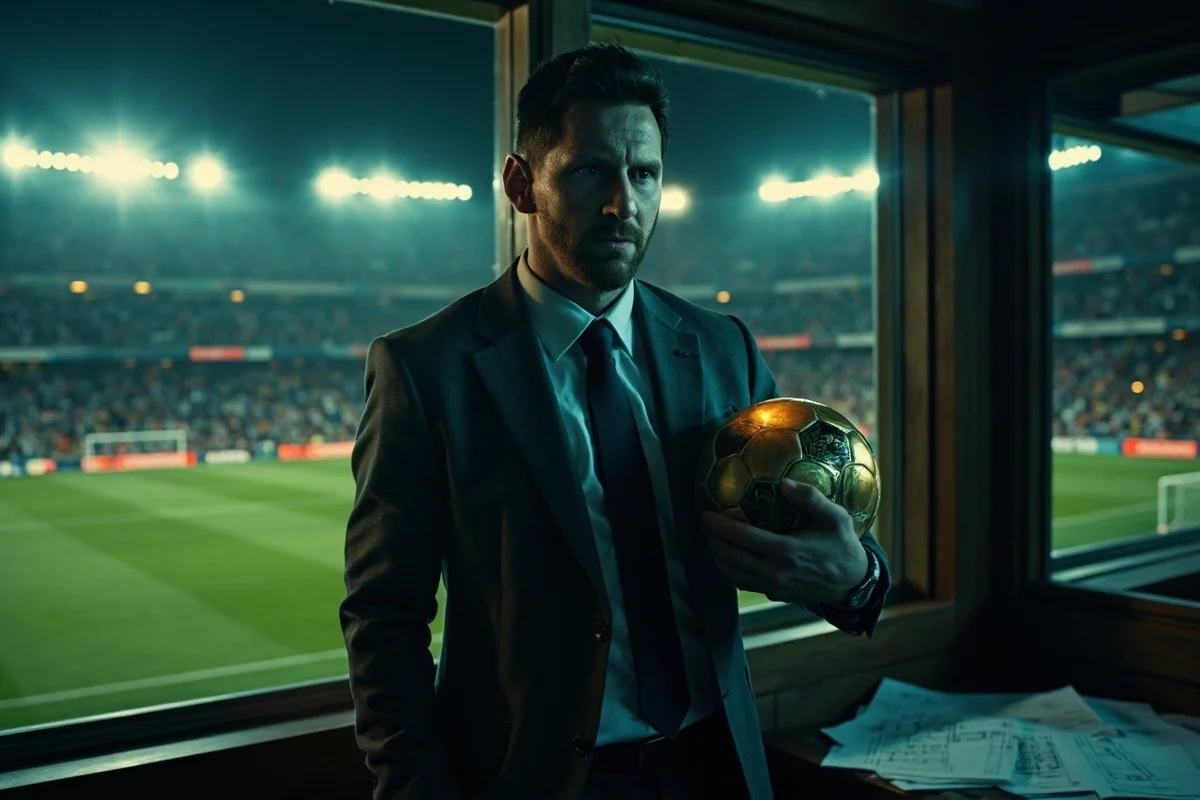
Lionel Messi is shaping the post-playing chapter of his career through a portfolio of business ventures and ownership stakes that stretch across multiple industries. Hospitality anchors the operation through his hotel brand, while investments extend into sports management, media, and fashion. His ownership stake in Inter Miami CF, the Major League Soccer club where he plays, signals a long-term commitment to football in the United States. Family members oversee parts of the business.
On the field, Messi continues to compete at a high level, with each appearance adding to a record haul that already includes multiple Ballon d'Or wins, four Champions League titles, and the 2022 World Cup with Argentina. The physical demands of a two-decade career keep his retirement timeline under discussion, with the final seasons likely to shape how his achievements are weighed against historical peers. His playing style, built on close control, passing range, and goalscoring consistency, has shaped a generation of attackers.
Business Ventures and Ownership Stakes
His commercial base, including the Majestic hotel group and long-running brand partnerships, already gives him a business identity separate from football, and the logical next step is converting visibility into direct sporting equity. In Miami, his arrival pulled record broadcast and ticket demand to MLS, yet the team has yet to convert that commercial lift into deep playoff runs, and a player-turned-owner role could close the gap on the field. Minority stakes in European clubs, multi-club ownership groups, or expansion projects tied to his Argentine roots would give him varying levels of control once his playing contract ends. For now, he remains the focal point of an Inter Miami squad that still leans heavily on his creativity in the final third.
Playing Plans in the Final Years
Messi's commitment to Inter Miami shapes the on-field strategy for the closing stretch of his career, with the club organizing its attack around his creative output while managing his minutes through targeted rotation. His game has shifted from the explosive wide forward of his Barcelona years to a deeper, more selective playmaker role, and Inter Miami's tactics follow that change, leaning on his passing range and finishing inside the final third instead of asking him to beat defenders one-on-one. The roster construction around him reflects this shift, with a functional defensive structure and secondary scorers absorbing the workload Messi once carried alone, while the squad's movement patterns are calibrated to the spaces he occupies. The MLS regular season's fixture spacing leaves room to rest him before the playoffs, where Inter Miami's ambitions depend on him producing in concentrated bursts rather than across 90 minutes every match. Every fixture balances his available minutes against the points needed to stay above the playoff line, and his presence still tilts tight matches in Miami's favor, but the league's salary structure and squad-building limits create a narrow margin for dropped results against lower-ranked sides. The physical demands of a full MLS campaign and international travel will limit how long he can sustain this role before his off-field ventures take priority.
Legacy Beyond the Playing Days
The shift from the pitch to the boardroom is already underway for Messi. The deal that brought him to Major League Soccer, structured as a long-term partnership with revenue participation rather than a standard playing contract, positioned him as a stakeholder in the league's commercial growth. That standing now points toward club ownership, a step the league's expansion strategy has effectively encouraged by favoring high-profile players with built-in audiences. The most probable structure is a minority stake with a path to majority control, allowing him to learn operations before committing the full capital. Club selection will shape what comes next. A European purchase offers brand reinforcement and access to elite competition, while a South American investment would align with his roots and carry long-term development upside. Beyond clubs, the family's portfolio has grown across hospitality, branded real estate and content production, sectors that have often paid better than coaching and broadcasting for retired athletes. Messi enters ownership with his commercial value still rising, his sponsor network intact, and his on-field presence still driving subscription and merchandise revenue. Few retiring athletes have stepped into ownership while their commercial value is still climbing.
Conclusion
Messi remains an active professional, but his public footprint now stretches well beyond the pitch. Ownership stakes and business ventures keep him connected to football's commercial and competitive side, a route most generational players take after retiring. For now, the playing chapter stays open, and his remaining years still matter to clubs, sponsors and federations tracking his next move.
The longer arc points to influence built off the field. Ownership, brand work and a slower step back from the pitch fit a template several elite forwards of the last twenty years have followed, and Messi's plans sit comfortably inside it. Whatever the final seasons add to his trophy haul, the second act being shaped in the boardroom may carry as much weight as anything he does with a ball at his feet.