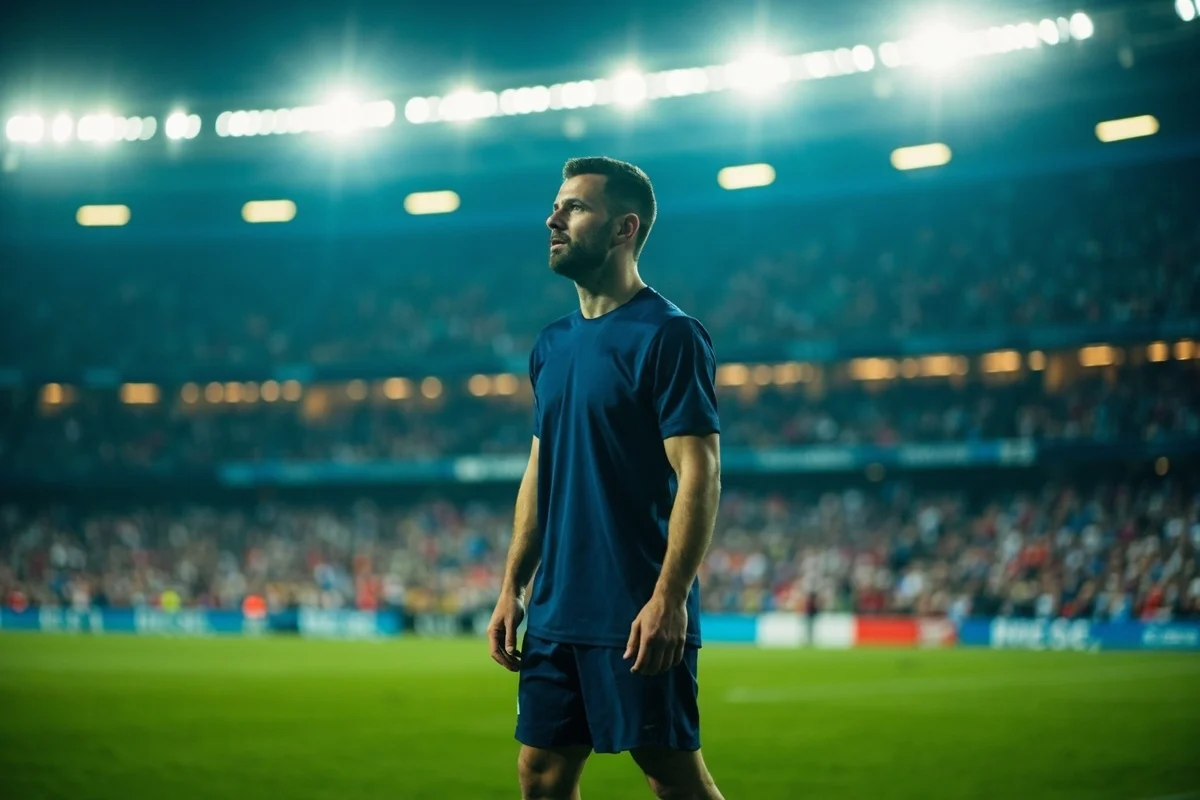
The Ballon d’Or has placed individual excellence at the centre of football’s public conversation, bringing media narratives, club interest and national pride into the same pursuit. The stakes extend beyond football’s leading individual honour as campaigns shape how success is measured and how players, teams and countries are judged.
Individualism Now Drives the Ballon d'Or
The 2026 men’s Ballon d’Or now places standout individual ability at the centre of football’s public conversation. Guillem Balague says the award is discussed every day and explains the focus through society’s emphasis on individuals. He says collective work is harder to understand than one player’s dribbling, while Kylian Mbappe says the award belongs to players who are different.
Lionel Messi and Cristiano Ronaldo won 13 awards between them from 2008 to 2023, a 15-year period defined by fierce personal comparison. Ariedo Braida says fans now follow players rather than clubs, as live European football and social media have reduced the anticipation surrounding ceremonies. Last September, Ousmane Dembele held the gold-dipped orb at Paris’s Theatre du Chatelet as 2026 campaigning began, linking World Cup ambition to individual honour.
Campaigners Use Election-Style Lobbying Tactics
Campaigners use election-style methods to build support: James Kirkham describes canvassing for votes, consolidating backing in selected countries, and securing particular voting blocs.
Paris Saint-Germain manager Luis Enrique described the promotion as tedious, while Ousmane Dembele praised Khvicha Kvaratskhelia’s season and Kvaratskhelia backed him in return. Campaigners also ask reporters to look beyond the leading scorer.
Shortlists Concentrate Squad and Country Power
The Ballon d'Or's 30-player shortlist concentrates club power, but one journalist from each of FIFA's top 100 ranked nations holds the decisive vote. France Football and L'Équipe draw up the list, while national-team captains and managers who briefly voted lost that role in 2015. Paris Saint-Germain supplied a record 10 names, while Barcelona missed Raphinha and Pedri; Deco called those omissions a “huge scandal.”
The award admitted only European players from 1956 until George Weah became Africa's first and so-far only winner in 1995. Kaka became the last recipient before Lionel Messi and Cristiano Ronaldo's run when eligibility opened to players from any club in 2007. That widened the candidate pool beyond Europe, yet the shortlist still concentrates attention through record club representation and country-based voting power.
The Winner and the Next Media Cycle
The already-chosen Ballon d'Or winner will reveal whether record-based promotion, personal storytelling and national pride converted enough journalist support. Deco backs Lamine Yamal as the overwhelming favourite because he likes football, not because Yamal plays for Barcelona. Lamine Yamal’s refusal to beg for anything contrasts with overt canvassing, while Deco’s backing confirms his place among the leading contenders.
James Kirkham expects clips, broadcast comments and rival opinions to keep generating narratives across social platforms, short-form video, radio and television after the vote. Michael Owen’s 2001 ignorance of the award shows how its profile has changed: Liverpool manager Gerard Houllier told the 22-year-old striker he had won it. The women’s Ballon d’Or, launched in 2018, tests whether football’s individual focus can gain the same attention as the established men’s prize.
Conclusion
The 2026 men’s Ballon d’Or shows how individual excellence, club interest and national representation now combine to shape its winner, with campaigns seeking to influence the journalists who cast the decisive votes. Shortlist concentration gives leading clubs a platform, while country-based voting gives smaller nations influence.
The result will feed a media cycle built around records, performances and rival claims. The women’s Ballon d’Or, launched in 2018, faces a separate test as football’s individual focus seeks comparable attention.
Source: BBC Sport